Committed to Development, Accountable to the People
Ranbir Gangwa is a dedicated public servant and respected grassroots leader from Haryana, renowned for his unwavering integrity, approachability, and commitment to people-centric governance. Born on 4 March 1964 in Gangwa village, Hisar district, he hails from a humble agricultural background that has provided him with a profound understanding of rural challenges and aspirations. Raised in a principled family, he completed his education under the Haryana State Board before wholeheartedly devoting himself to public service. His inspiring journey began at the grassroots level, where he forged strong bonds with communities, attentively heard their concerns, and worked tirelessly to deliver meaningful solutions. Over the years, his steadfast service, organizational commitment, and focus on development have earned him the trust of citizens and important leadership roles at higher levels.
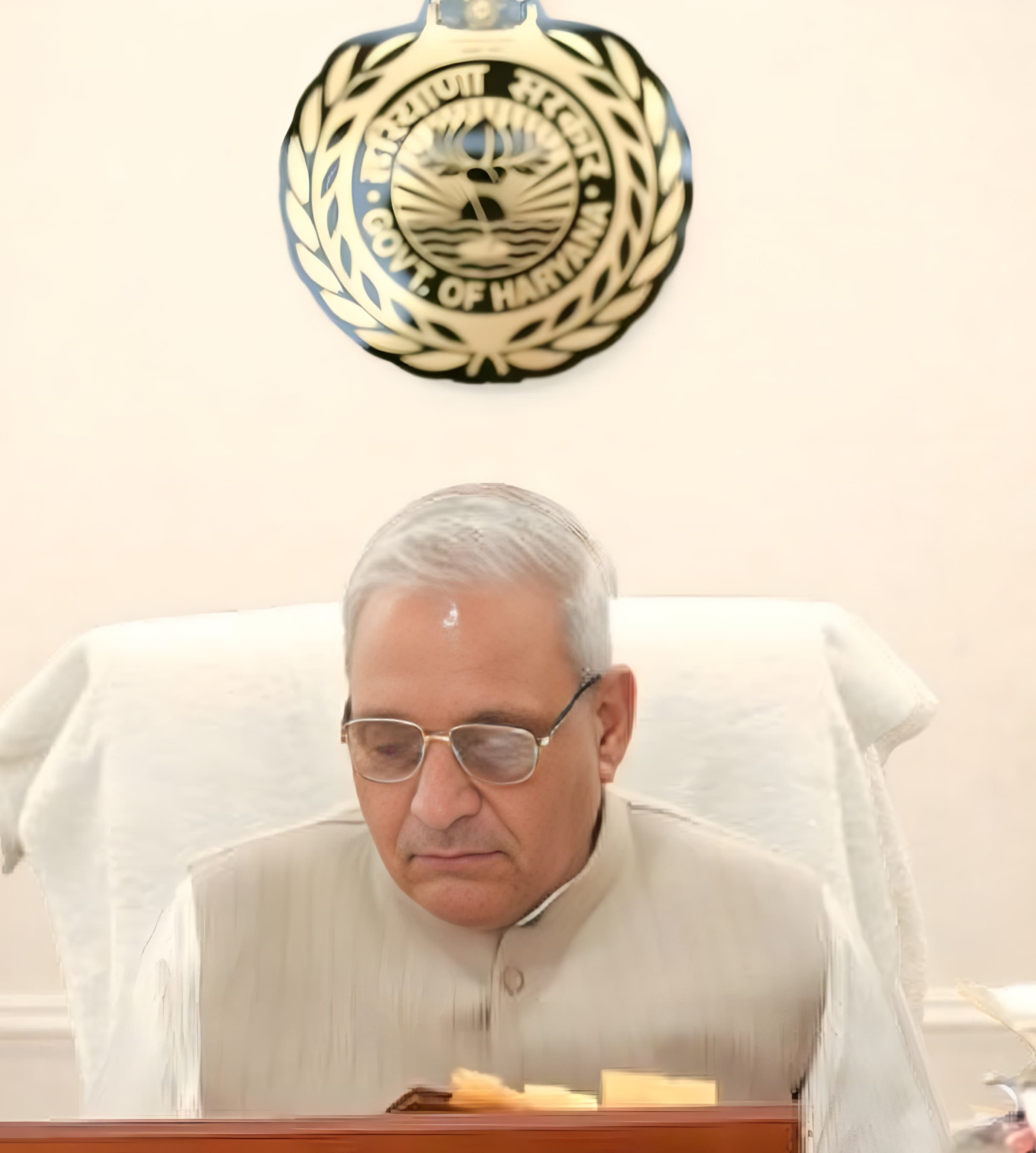
The move towards a paperless legislative system in Haryana began with the implementation of the National e-Vidhan Application (NeVA), a central government initiative aimed at transforming legislative bodies into fully digital, transparent, and efficient institutions.
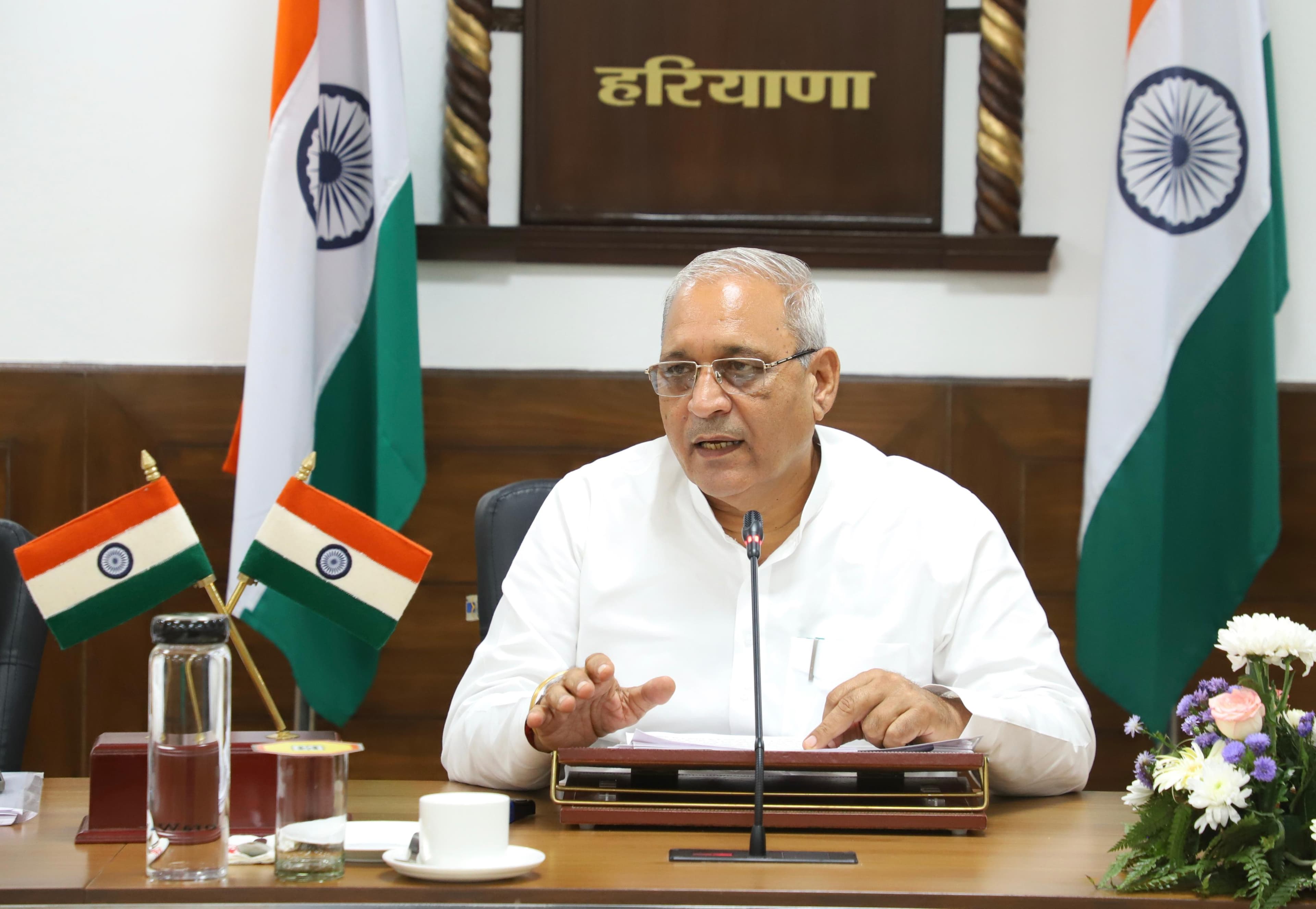
During his tenure as Deputy Speaker of the Haryana Legislative Assembly, Gangwa was actively associated with the push for digital transformation inside the House. The establishment of a dedicated NeVA centre within the Vidhan Sabha premises enabled training for MLAs and officials, ensuring smooth adoption of digital tools.
The digitalisation initiative includes equipping members with tablets, digitising legislative records, and enabling real-time access to documents, questions, and proceedings. This has significantly reduced the dependency on paper while improving efficiency and accessibility. According to reports, the transition to a paperless system is also expected to save substantial costs and contribute positively to environmental conservation.
Speaking in various forums, Gangwa has emphasized the importance of technology-driven governance, aligning with Prime Minister Modi’s broader vision of leveraging digital platforms to enhance transparency and accountability in public institutions. The Digital India campaign has encouraged state governments to adopt similar reforms, and Haryana’s efforts reflect this national direction.
The adoption of digital tools in the Vidhan Sabha has also improved the overall functioning of the legislative process. Members can now access bills, agendas, and reports instantly, participate more effectively in discussions, and track proceedings in real time. This has not only streamlined legislative work but also made governance more responsive and citizen-centric.
Moreover, the initiative strengthens transparency by making legislative data more accessible and organized. It ensures that information is readily available for reference, reducing delays and improving decision-making processes.
Gangwa, who currently serves as a Cabinet Minister in the Haryana government handling key departments such as Public Works and Public Health Engineering, continues to advocate for modernization and efficiency in governance. His leadership reflects a blend of grassroots experience and forward-looking policy implementation.
The digitalisation of the Haryana Vidhan Sabha stands as a model for other states aiming to modernize their legislative systems. With continued support from the central government and state leadership, such initiatives are expected to further strengthen democratic institutions in India.
Over three decades of active public service, staying closely connected with citizens and grassroots issues.
Strong participation in governance and legislative responsibilities.
Guided by transparency, accountability, and democratic values.
Collaborative approach with departments and institutions to accelerate development.
Focused on infrastructure growth, rural development, and welfare initiatives.
Ensured voices from villages and communities are heard in decision-making processes.